How to Prepare Your Child for Dental Anesthesia in the San Francisco Bay Area
Finding out your child needs dental anesthesia can leave you with more questions than answers. You want the appointment to go smoothly, but you may not know what to do the night before, what your child can eat, or how they will feel afterward. Families across the San Francisco Bay Area face this same uncertainty every day. The reassuring part is that preparing your child for dental anesthesia is simple once you know what each stage involves. This guide walks you through fasting rules, the day of the procedure, and recovery, so you can feel calm and ready. At MH Dental Anesthesia, Dr. Matthew Hurd, DDS, a dual board-certified Dentist Anesthesiologist, personally guides Bay Area families through every part of this process.
What Does Preparing Your Child for Dental Anesthesia Involve?
Preparing your child for dental anesthesia means following a short set of safety steps before, during, and after the appointment so the anesthesia works as safely and comfortably as possible. MH Dental Anesthesia provides mobile, office-based dental anesthesia for children throughout the San Francisco Bay Area, California.
These steps fall into three simple stages: fasting and pre-op instructions, the day of the procedure, and recovery at home. Before any appointment, Dr. Hurd personally reviews your child's full medical history and sends you clear, personalized instructions written for your specific situation. You never have to guess. If you want a fuller picture of how mobile dental anesthesia works before the appointment, our overview covers the basics in plain language.
Can My Child Eat or Drink Before Dental Anesthesia?
No. Your child must stop eating solid food several hours before dental anesthesia, and clear liquids must stop closer to the appointment, following the exact times Dr. Hurd gives you. These fasting guidelines for children exist for one reason: safety.
Why Fasting Matters
An empty stomach keeps food and liquid from entering the lungs while your child is asleep. This is the single most important rule on the day of the procedure, and skipping it can force the team to reschedule. Many anesthesia plans follow a familiar pattern where solid food and milk stop roughly six to eight hours before, breast milk stops around four hours before, and clear liquids such as water or apple juice stop about two hours before. Your child's exact times depend on age, health, and the appointment slot, which is why Dr. Hurd sends written fasting instructions ahead of time rather than a one size fits all rule.
Read those instructions the day before, set an alarm for each cutoff, and call the practice if anything is unclear. Have questions about your child's specific plan? Request a consultation with MH Dental Anesthesia and Dr. Hurd will walk you through the fasting schedule step by step.
Getting Ready: Pre-Op Instructions for the Night Before and Morning Of
A calm, organized morning helps your child stay relaxed. Use these dental sedation pre-op instructions for kids as a simple checklist:
- Confirm the fasting times. Write down the exact cutoff times for solid food and clear liquids, then set alarms so nothing is missed.
- Review medications and recent health. Tell Dr. Hurd about every medication, vitamin, and supplement, plus any recent cough, cold, or fever. He will tell you which medicines to give and which to hold.
- Choose comfortable clothing. Dress your child in loose, short-sleeved clothing so monitoring sensors are easy to place and your child stays cozy.
- Pack comfort items. A favorite blanket, stuffed animal, or small toy helps your child feel safe in the dental setting.
- Arrange a calm morning and a ride home. When possible, have one adult drive while another sits with your child after the appointment, since your child will be drowsy.
How to Talk to Your Child About the Appointment
Children take their cues from you, so a calm and simple explanation goes a long way. For younger children, plain words work best. You can say the dentist will help fix their teeth while they take a short nap with special sleepy medicine, and that you will be right there when they wake up. Avoid words that sound scary, and answer questions honestly without adding extra detail that could worry them. Older children may want to know a little more about what will happen, and Dr. Hurd is always happy to explain the plan in age-appropriate language during your consultation. The goal is for your child to arrive feeling safe rather than anxious.
What Happens on the Day of My Child's Dental Anesthesia?
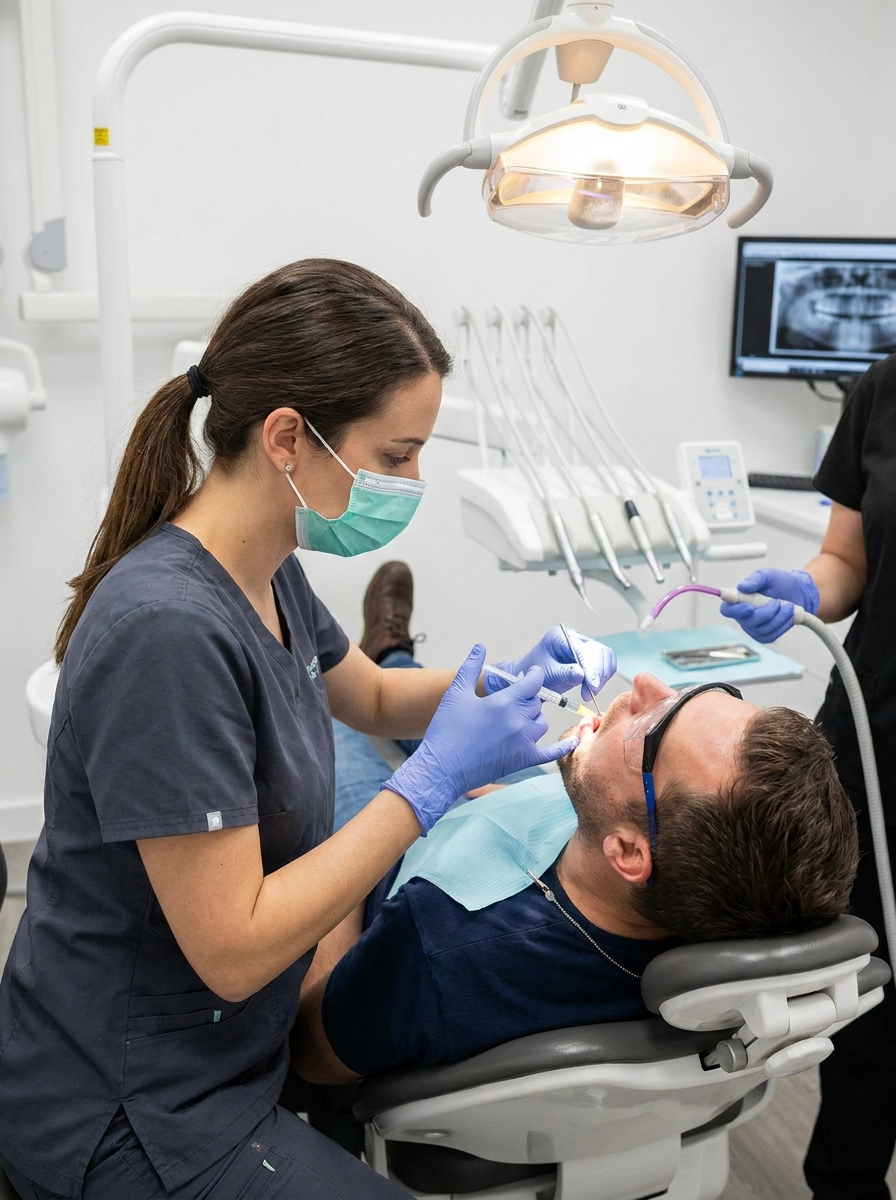
On the day of the procedure, you arrive a little early, Dr. Hurd reviews the anesthesia plan with you step by step, your child drifts off to sleep comfortably, and the dental team completes all needed treatment in a single visit. Knowing what to expect with dental anesthesia for your child removes most of the worry.
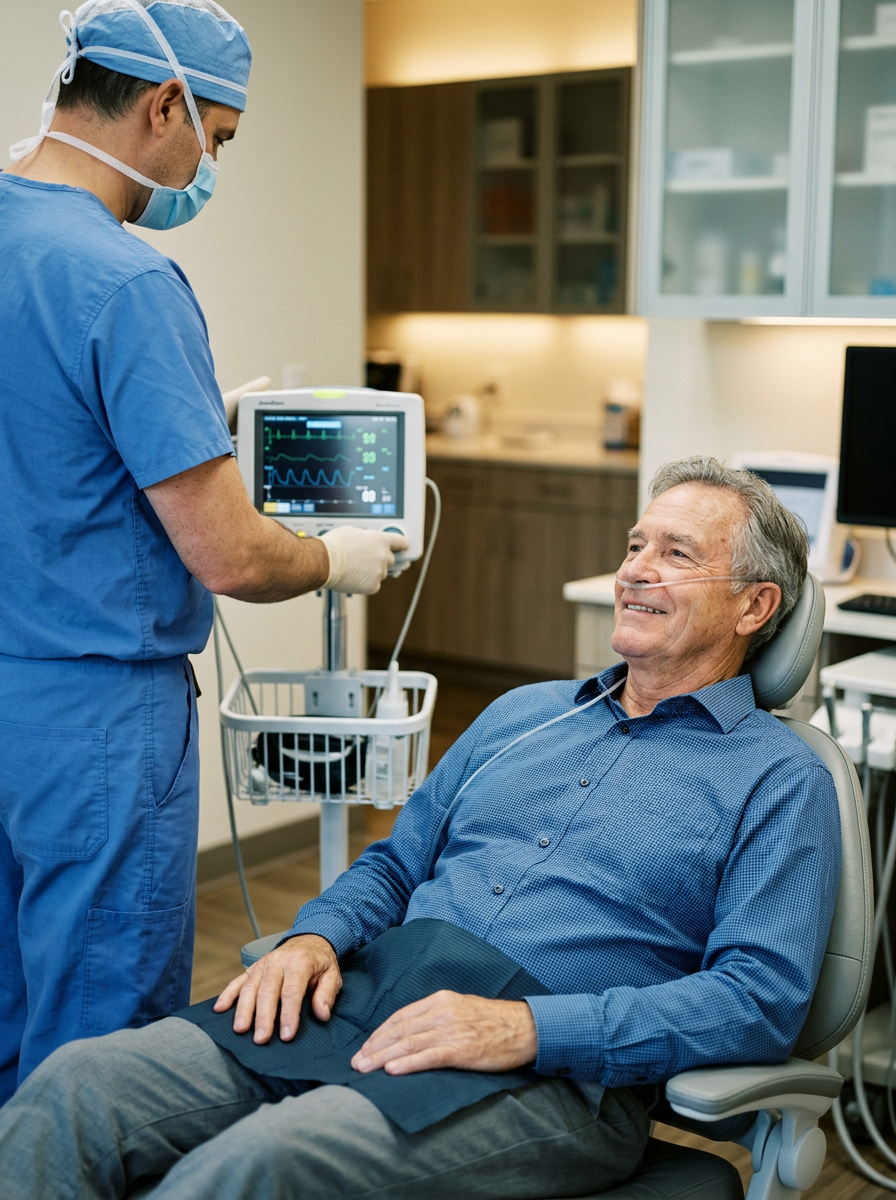
Once your child is asleep, Dr. Matthew Hurd, DDS, stays with them the entire time, watching heart rate, breathing, and oxygen levels with the same hospital-grade monitoring used in surgical settings. Because MH Dental Anesthesia brings this care directly into the dental office across the San Francisco Bay Area, your child receives treatment in a familiar place rather than an unfamiliar hospital. Completing everything in one appointment also means fewer visits and far less stress for an anxious child.
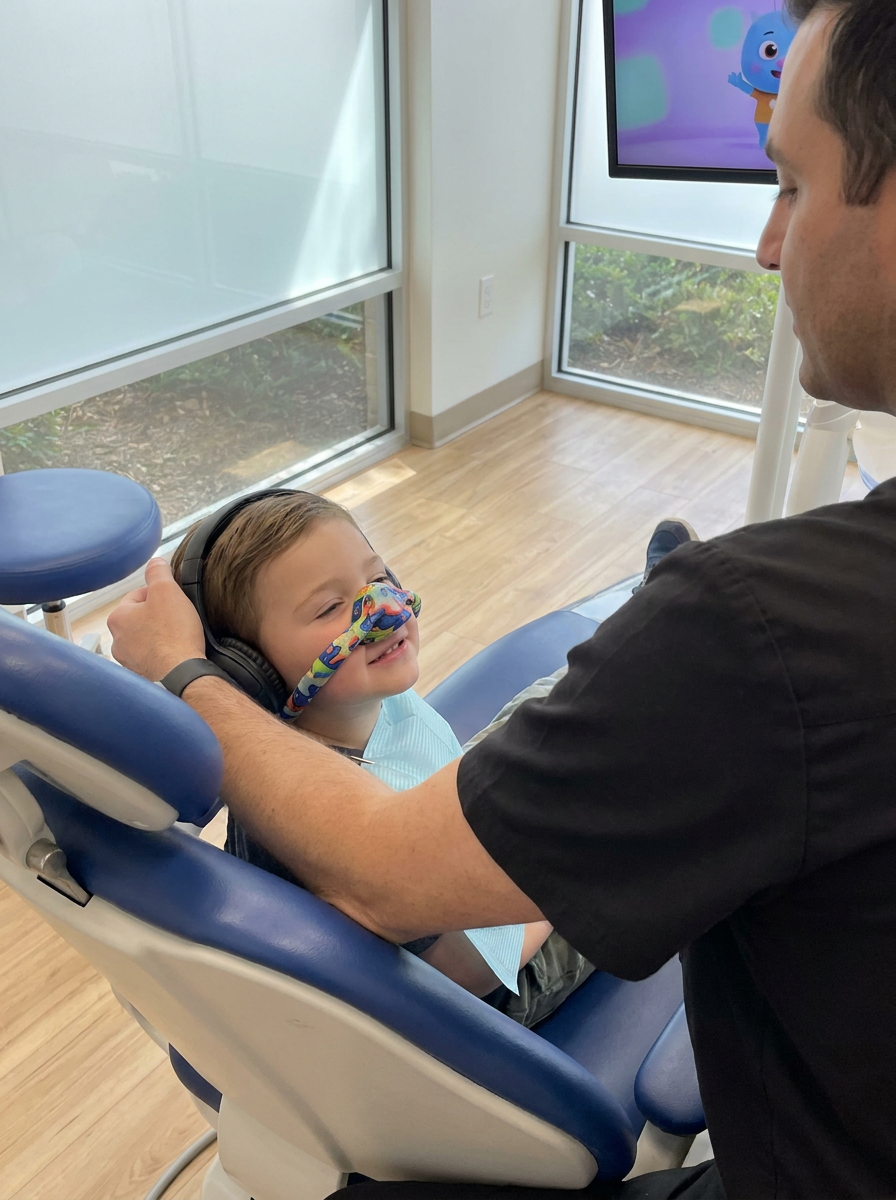
Parents are usually nearby and kept informed throughout. Most children fall asleep gently and quickly, often with a small amount of medicine, and the approach stays unhurried so your child never feels rushed. Ready to plan your child's appointment? Contact MH Dental Anesthesia to request a consultation and build a personalized anesthesia plan for your child.
How Long Does It Take a Child to Recover From Dental Anesthesia?
Most children begin waking within minutes of the procedure ending and feel back to themselves within about a day. Pediatric dental anesthesia recovery is usually smooth when you know what is normal.
As the anesthesia wears off, it is common for a child to feel groggy, wobbly, or unusually emotional for a short while. This passes. For the rest of the day, keep your child calm and supervised, skip school or daycare, and offer water and soft, easy foods such as yogurt, applesauce, or smooth soup once they are alert enough to eat. Most children return to normal activities the next day. MH Dental Anesthesia in the San Francisco Bay Area sends every family home with personalized post-operative instructions and direct contact information for Dr. Matthew Hurd, DDS, so help is one phone call away if any question comes up at home.
When to Call After the Appointment
Mild grogginess, a small amount of fussiness, and reduced appetite for a few hours are all expected as the medicine clears. Your written post-operative instructions will list exactly what is normal for your child and what is not. Reach out to Dr. Hurd if you notice anything that concerns you, if your child will not drink fluids, or if something does not match the guidance you were given. You are never bothering the practice by asking. Dr. Hurd would rather answer a quick question than have you spend the evening worrying, which is why every family leaves with a direct way to reach him.
Why Bay Area Families Choose MH Dental Anesthesia
Choosing who provides your child's anesthesia matters as much as the dental work itself. At MH Dental Anesthesia, every anesthetic is personally administered and monitored by Dr. Matthew Hurd, DDS, from start through recovery, with no subcontracting and no unfamiliar provider arriving on the day of the procedure. Dr. Hurd is a dual board-certified Dentist Anesthesiologist who has completed more than 300,000 sedations and over 10,000 hours of pediatric anesthesia care. He also serves as a Clinical Assistant Professor at the University of the Pacific, Arthur A. Dugoni School of Dentistry. You can read more about his background and approach on the MH Dental Anesthesia about us page.
For families who want to limit medication exposure, Dr. Hurd offers opioid-free pediatric dental anesthesia, using a balanced combination of modern non-opioid medicines that keep your child comfortable while supporting a smoother, faster recovery. You can explore the full scope of our pediatric dental anesthesia services and ask whether an opioid-free plan is right for your child.
Safety guidance from national groups reinforces this approach. The American Academy of Pediatrics and the American Academy of Pediatric Dentistry recommend that trained providers continuously monitor children during deep sedation and general anesthesia, which is exactly the standard Dr. Hurd brings to every case. You can review parent-friendly guidance on anesthesia and sedation for your child's dental work from the AAP. Parents often describe Dr. Hurd as calm and reassuring, with one family sharing that he carried their sleeping child to the car and gave clear guidance every step of the way.
Get Your Child Ready With MH Dental Anesthesia
Preparing your child for dental anesthesia comes down to three things: follow the fasting instructions, keep the morning calm and organized, and plan a quiet recovery at home. With clear written guidance from Dr. Matthew Hurd, DDS, you can walk into the appointment confident and prepared. MH Dental Anesthesia delivers safe, compassionate, hospital-level anesthesia care for children directly inside dental offices throughout the San Francisco Bay Area. Request your consultation today at mh-anesthesia.com/request-consultation and give your child a safer, more comfortable dental experience.