Sedation vs General Anesthesia: How to Choose the Right Option for Dental Care
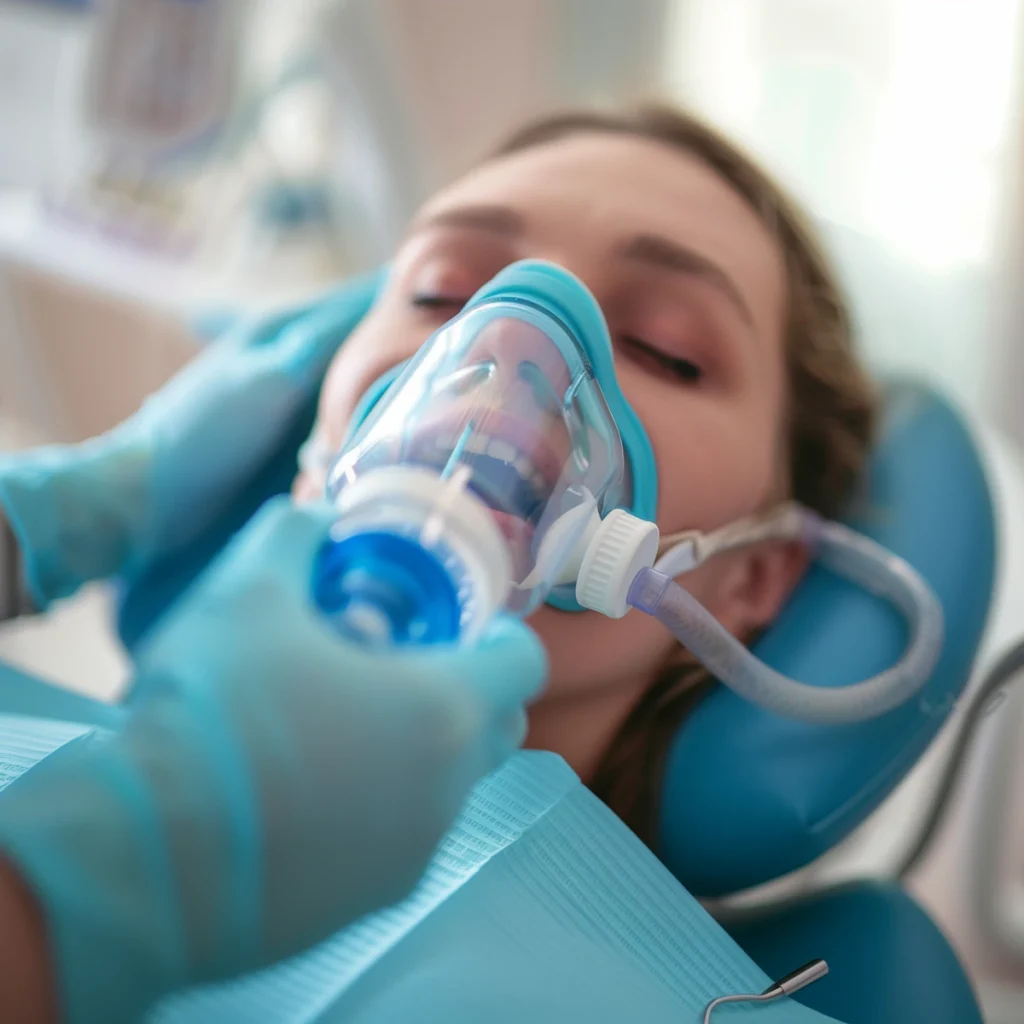
If a dentist has recommended sedation or anesthesia for your upcoming procedure, you may be unsure what either word actually means for you in the chair. The terms get used interchangeably in everyday conversation, but they describe very different experiences, levels of monitoring, and clinical training requirements. For patients across the San Francisco Bay Area, understanding the difference helps you ask the right questions, choose the right provider, and arrive at your appointment knowing exactly what to expect.
MH Dental Anesthesia, founded and led by Dr. Matthew Hurd, DDS, a dual board-certified Dentist Anesthesiologist, provides every level of office-based anesthesia care to dental practices throughout the San Francisco Bay Area. This guide breaks down sedation vs general anesthesia in plain language, explains which option fits which type of patient, and shows how the right provider keeps you safe at every depth of care.
What Is the Difference Between Sedation and General Anesthesia?
The difference between sedation and general anesthesia is depth of consciousness. Sedation reduces awareness and anxiety while you remain breathing on your own and able to respond to voice or touch. General anesthesia produces complete unconsciousness, eliminates all awareness of the procedure, and often requires the provider to actively support your airway and breathing.
The American Society of Anesthesiologists defines four distinct levels along this continuum: minimal sedation, moderate sedation, deep sedation, and general anesthesia. Each level uses different medications, different monitoring standards, and different provider training. MH Dental Anesthesia provides moderate sedation, deep sedation, and general anesthesia in the San Francisco Bay Area, all personally administered by Dr. Matthew Hurd inside the dental office where your treatment takes place.
The Four Levels of Sedation and Anesthesia for Dental Procedures
Sedation is not a single experience. It is a continuum, and the level you receive depends on your medical history, your anxiety, the procedure planned, and your dentist's recommendation in coordination with the anesthesia provider.
Minimal Sedation (Nitrous Oxide)
Often called "laughing gas," minimal sedation reduces anxiety while keeping you fully awake and conversational. You breathe nitrous oxide through a small nasal mask, feel a wave of calm, and recover within minutes after the gas is turned off. Most general dentists across the Bay Area offer this in-house for routine procedures such as fillings or cleanings in mildly anxious patients.
Moderate Sedation
Moderate sedation produces a deeply relaxed state in which you may slur your words, drift in and out of sleep, and remember little of the procedure afterward, while still breathing on your own and responding to verbal cues. It suits adults undergoing longer procedures or those with heightened anxiety who prefer not to be fully unconscious. The full scope of moderate sedation for adult procedures at MH Dental Anesthesia includes continuous monitoring and individualized dosing throughout treatment.
Deep Sedation
Deep sedation places you in a profoundly relaxed state where you are not easily aroused but can still respond to repeated or painful stimulation. Most patients have no memory of the procedure. Continuous monitoring of heart rate, blood pressure, oxygen saturation, and breathing is essential at this depth. Learn more about how deep sedation for adult procedures is delivered safely in the San Francisco Bay Area.
General Anesthesia
General anesthesia produces full unconsciousness. You feel no pain, have no awareness of the procedure, and remember nothing of the time you were asleep. Your airway and breathing are actively managed by the anesthesia provider. General anesthesia is the right choice for complex or lengthy oral surgery, severe dental phobia that has resisted other options, certain medical or developmental conditions, and patients who are highly resistant to lighter sedation. The adult dental anesthesia service at MH Dental Anesthesia covers exactly this level of care.
Will I Be Awake During Sedation Dentistry?
Whether you are awake during sedation dentistry depends on the depth of sedation used.
With minimal and moderate sedation you remain conscious enough to respond to verbal cues and breathe on your own, though you may have little or no memory of the procedure afterward because of the amnesic effect of the medications. With deep sedation you are not easily aroused and typically have no recollection at all. With general anesthesia you are fully unconscious throughout treatment.
For many anxious adults in the Bay Area, moderate or deep sedation hits the right balance: enough relaxation to remove the experience emotionally, without the longer recovery and additional clinical requirements of general anesthesia.
How Do You Choose Between Sedation and General Anesthesia?
The right level of sedation or anesthesia for your dental work depends on six main factors. Your dentist and your anesthesia provider should review each one together with you during consultation.
- Procedure complexity and length. A single filling rarely needs more than minimal sedation. Full-mouth restoration, multiple extractions, or implant placement may call for deep sedation or general anesthesia.
- Your anxiety level. Severe dental phobia often responds best to deeper sedation, because the goal is not just pain control but complete emotional removal from the experience.
- Your medical history. Cardiac conditions, sleep apnea, certain medications, and prior reactions to anesthesia all shape which level and which medications are safest for you. A dentist anesthesiologist trained in advanced airway management and emergency medicine is the appropriate provider when medical complexity is present.
- Gag reflex. A strong gag reflex can make awake dental treatment nearly impossible. Moderate or deep sedation typically eliminates the problem.
- Special healthcare needs. Adults with developmental disabilities, severe sensory sensitivities, or movement disorders often need deep sedation or general anesthesia to receive necessary care safely.
- Time constraints. Patients who want all postponed dental work completed in one visit often benefit from deeper levels of care that allow longer, uninterrupted treatment.
If you are unsure which level fits you, request a consultation with MH Dental Anesthesia and Dr. Hurd will review your medical history, anxiety profile, and planned procedure to recommend the safest, most comfortable option.
Why a Dentist Anesthesiologist Matters for Deep Sedation and General Anesthesia
Not every dental office that advertises sedation is staffed by someone trained to deliver every level safely. Minimal and moderate sedation can be administered by general dentists with appropriate permits. Deep sedation and general anesthesia require a separate, advanced credential.
A dentist anesthesiologist is a dental specialist who has completed both a dental degree and an accredited postdoctoral residency in anesthesiology specifically within dentistry. Board certification by the American Dental Board of Anesthesiology represents the highest level of anesthesia credentialing available in the dental field.
Dr. Matthew Hurd, DDS, holds dual board certification from both the American Dental Board of Anesthesiology and the National Dental Board of Anesthesiology. He earned his Doctor of Dental Surgery degree at UCSF School of Dentistry and completed his residency in Dental Anesthesiology at The Ohio State University, one of the nation's leading programs. He has more than 20 years of pre-hospital and emergency medicine experience and currently serves as a Clinical Assistant Professor at the University of the Pacific, Arthur A. Dugoni School of Dentistry. Patient stories and Dr. Hurd's full background are available on the MH Dental Anesthesia about page.
That depth of training matters most when something unexpected happens. Continuous monitoring with hospital-grade equipment, full emergency preparedness, and a provider whose response is shaped by real emergency experience are the three factors that protect patients at deeper levels of sedation and during general anesthesia. At MH Dental Anesthesia, every case across the San Francisco Bay Area is personally administered and continuously monitored by Dr. Hurd from start to finish. There is no rotating provider model and no subcontracting.
For the official position on safe sedation and anesthesia practice in dentistry, you can review the American Dental Association's guidelines on anesthesia and sedation.
What to Expect on the Day of Your Procedure
Knowing the steps in advance takes the unknown out of the experience. Whether you choose moderate sedation, deep sedation, or general anesthesia, the day follows a predictable structure.
- Pre-procedure consultation. Dr. Hurd personally reviews your medical history, current medications, and any prior anesthesia experiences before your appointment is scheduled. A tailored plan is developed for your specific case.
- Pre-procedure instructions. You receive clear fasting guidelines and medication guidance in advance. Fasting matters because medications that suppress your reflexes also affect your protective swallowing response.
- Day of arrival. Upon arrival at the dental office, Dr. Hurd reviews the plan with you step by step. Hospital-grade monitoring equipment is set up before any medication is administered.
- The procedure. Dr. Hurd remains with you throughout the entire treatment, continuously monitoring heart rate, blood pressure, oxygen saturation, breathing, and depth of sedation. The dental team focuses on your treatment while the anesthesia team focuses entirely on you.
- Recovery. Patients usually wake up gradually, often within minutes after the procedure ends. You may feel groggy or briefly disoriented as the medications wear off, which is normal.
- Discharge and follow-up. Before you leave, you receive personalized post-operative instructions and direct contact information for any questions that come up at home. A responsible adult drives you home and stays with you for the remainder of the day.
Schedule a Consultation in the San Francisco Bay Area
Choosing the right level of sedation or anesthesia for your dental procedure should not feel like guesswork. Whether you need light relaxation for a longer cleaning, deep sedation for a complex restoration, or full general anesthesia for extensive oral surgery, the appropriate provider and the appropriate depth of care make all the difference in safety and comfort.
MH Dental Anesthesia delivers every level of office-based anesthesia care directly inside dental offices across the San Francisco Bay Area, personally administered by Dr. Matthew Hurd, DDS, a dual board-certified Dentist Anesthesiologist with more than two decades of clinical anesthesia and emergency medicine experience. Request your consultation with MH Dental Anesthesia to discuss your specific procedure, anxiety level, and medical history, and to build a personalized plan that gets the dental work done safely and comfortably the first time.