Dental Anesthesia for Special Needs Children in the San Francisco Bay Area: A Guide for Families
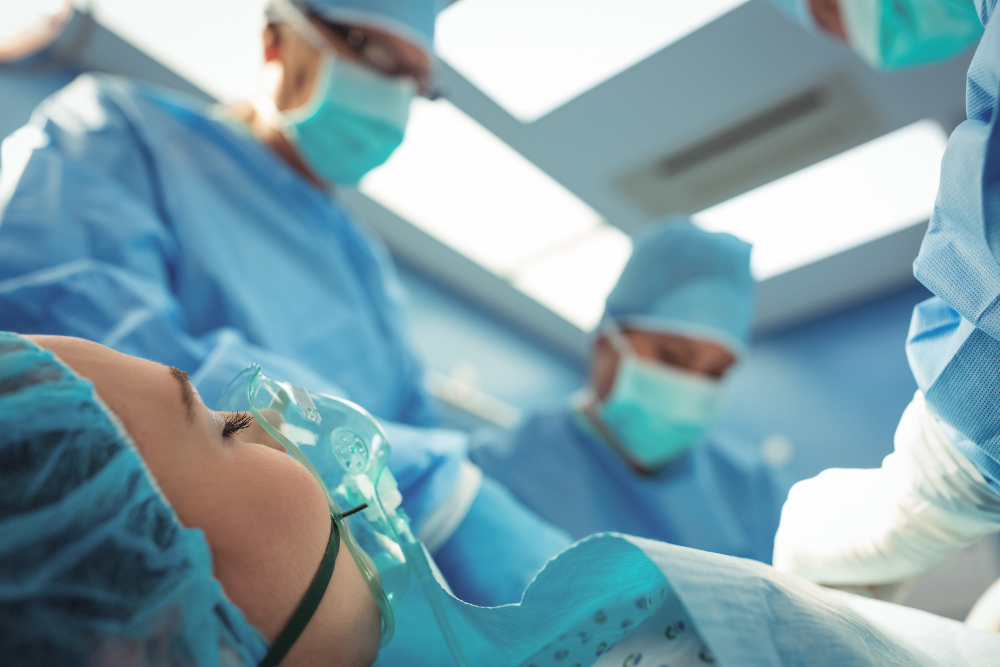
If your child has autism, Down syndrome, cerebral palsy, or sensory processing differences, even a routine cleaning can feel out of reach. You have probably been told your child "won't tolerate" the chair, or watched an appointment end in tears before any work could be done. Families across the San Francisco Bay Area face this every week, and many leave their child's dental care unfinished because the standard office experience simply does not work for them. MH Dental Anesthesia exists for those families. Led by Dr. Matthew Hurd, DDS, a dual board-certified Dentist Anesthesiologist, the practice provides hospital-level dental anesthesia inside the dental office for children with complex healthcare needs throughout the San Francisco Bay Area.
This guide walks through what dental anesthesia for special needs children looks like, how Dr. Hurd adapts each plan to the specific patient, and what parents can expect from consultation through recovery.
What Is Dental Anesthesia for Special Needs Children?
Dental anesthesia for special needs children is specialized anesthetic care that allows a child with autism, a developmental disability, a complex medical condition, or significant sensory sensitivities to safely receive dental treatment while fully asleep or sedated, with continuous monitoring by a board-certified provider. At MH Dental Anesthesia in the San Francisco Bay Area, every plan is individually built around the child's specific diagnosis, behavior profile, medical history, and family priorities.
The goal is not to "force" treatment that the child cannot tolerate awake. The goal is to remove the cooperation requirement entirely so that the dental team can complete every needed procedure safely, in one visit, in an environment built around the child rather than against them. The American Academy of Pediatric Dentistry recognizes general anesthesia as a clinically appropriate option for children whose age, behavior, medical conditions, or developmental needs make awake treatment unsafe or ineffective. You can read the AAPD's clinical guidance on the use of anesthesia in pediatric dental patients on the American Academy of Pediatric Dentistry website.
Can a Child with Autism Have Dental Work Under General Anesthesia?
Yes. Children on the autism spectrum can safely receive dental treatment under general anesthesia, and for many autistic children it is the most respectful and least traumatic way to complete necessary care.
What an autistic child often cannot tolerate is not the dental work itself but the sensory load of the waiting room, the unfamiliar voices, the light over the chair, the smell of materials, the unpredictability of who will touch them and when. General anesthesia bypasses all of that. Once the anesthesia takes effect, the sensory environment becomes irrelevant.
Dr. Hurd has cared for many children on the autism spectrum throughout the San Francisco Bay Area and approaches each case with the understanding that pre-procedure preparation matters as much as the anesthetic itself. That preparation includes:
- A direct conversation with the parent or caregiver about the child's specific triggers, communication style, comfort objects, and history of medical procedures
- An individualized plan for how the child arrives, what they see, who speaks to them first, and how induction is approached
- Flexibility in induction method (mask vs IV) based on what the child can realistically tolerate
- Quiet, unhurried recovery so the child wakes in a calm environment, not a loud post-op bay
If your child is on the autism spectrum and has dental needs that have gone untreated, the pediatric dental anesthesia service at MH Dental Anesthesia is built specifically to make that care possible.
Is Dental Anesthesia Safe for Children with Down Syndrome?
Yes, dental anesthesia is safe for children with Down syndrome when it is planned and delivered by a provider who understands the specific medical considerations involved. Dr. Matthew Hurd, DDS, plans every case for a child with Down syndrome with those considerations built in from the start.
Children with Down syndrome often have anatomical and medical features that require careful anesthetic planning. These can include:
- Atlantoaxial instability, which affects how the child's head and neck can be safely positioned during the procedure
- A narrower airway and larger tongue relative to oral cavity size, which informs airway management decisions
- Higher prevalence of congenital heart conditions, which shapes medication selection and monitoring
- Hypotonia (lower muscle tone), which can affect recovery and post-operative positioning
- Greater sensitivity to certain sedative medications in some children
None of these mean anesthesia is unsafe. They mean anesthesia must be planned by someone who knows what to look for. Dr. Hurd reviews each child's complete medical history, including cardiology records, imaging, and current medications, before scheduling. His 20+ years of pre-hospital and emergency medicine experience combined with dual board certification in dental anesthesiology means complex medical histories are treated as the starting point of the plan, not an afterthought.
How Do You Prepare a Child with Sensory Sensitivities for Dental Anesthesia?
Sensory preparation for a child with sensory processing differences begins well before the appointment day. At MH Dental Anesthesia, Dr. Hurd works with families across the San Francisco Bay Area to build a sensory plan that fits each individual child.
Before the Appointment
- Family intake conversation. Parents share what the child finds calming, what triggers shutdown or meltdown, how the child communicates pain or discomfort, and what has and has not worked at past medical or dental visits.
- Medical and developmental review. Dr. Hurd personally reviews health history, current medications, prior anesthesia records if available, and any developmental or behavioral diagnoses.
- Pre-operative instructions in family-friendly format. Fasting guidelines, medication guidance, and arrival logistics are provided clearly so caregivers know exactly what to expect.
Day of the Procedure
- Familiar items are welcome. Weighted blankets, noise-reducing headphones, preferred comfort items, and parent presence during induction are accommodated whenever clinically appropriate.
- Unhurried induction. The pace is set by the child. There is no rush to "get started" before the child is settled.
- Continuous monitoring at hospital standards. Dr. Hurd stays with the patient throughout the entire procedure with the same monitoring equipment used in hospital operating rooms.
Recovery
- Calm, low-stimulation wake-up. Children with sensory sensitivities are particularly vulnerable to disoriented or distressed wake-ups in noisy recovery areas. Dr. Hurd's team keeps the environment quiet and the lights low.
- Caregiver reunion as soon as it is safe. Parents return to the child early so the first face seen is familiar.
- Personalized post-operative instructions. Caregivers receive written and verbal recovery guidance plus direct contact information for follow-up questions.
Ready to talk through a plan for your child? Request a consultation with Dr. Hurd at MH Dental Anesthesia and bring every question and concern you have. The consultation exists for exactly this reason.
Why Dr. Matthew Hurd's Background Matters for Special Needs Cases
Choosing a dental anesthesia provider for a child with complex needs is different from choosing one for a healthy adult. The medical history is more layered. The communication is harder. The margin for the wrong call is smaller. Dr. Matthew Hurd, DDS, is unusually well-credentialed for these cases:
- Dual board certification in dental anesthesiology from both the American Dental Board of Anesthesiology and the National Dental Board of Anesthesiology
- DDS from UCSF School of Dentistry, one of the leading dental programs in the country
- Dental Anesthesiology residency at The Ohio State University, one of the nation's leading dental anesthesia training programs
- More than 10,000 hours of pediatric anesthesia clinical experience and 300,000+ completed sedations
- 20+ years of pre-hospital and emergency medicine experience since 2004, which means his response to any unexpected event is informed by real emergency settings rather than only operating room exposure
- Clinical Assistant Professor at the University of the Pacific, Arthur A. Dugoni School of Dentistry, where he trains the next generation of dental anesthesia providers
Every anesthetic at MH Dental Anesthesia is administered and monitored by Dr. Hurd personally from start to finish. There is no rotating provider model. The person who reviews your child's chart in consultation is the person standing next to them during the procedure and the person responding to your call if any question comes up afterward.
Opioid-Free Anesthesia for Special Needs Children
For families who want to minimize their child's exposure to opioid medications, MH Dental Anesthesia offers opioid-free anesthesia for pediatric patients when clinically appropriate. This approach uses a balanced combination of modern non-opioid medications to maintain full comfort and pain control while reducing the risk of nausea, vomiting, excessive drowsiness, and breathing-related complications after the procedure.
For a child with Down syndrome who already has airway considerations, or an autistic child who would be especially distressed by post-operative nausea, an opioid-free plan can meaningfully smooth the recovery. Not every child is a candidate, and Dr. Hurd reviews medical history, procedure type and length, and expected post-operative pain before recommending the approach. If this matters to your family, raise it during the consultation.
Can My Non-Verbal Child Receive Dental Anesthesia?
Yes. A child does not need to verbally communicate to safely receive dental anesthesia. What matters is that the caregiver communicates the child's history, baseline behavior, pain signals, and known triggers clearly during the consultation.
Many of the children Dr. Hurd cares for across the San Francisco Bay Area are non-verbal or minimally verbal. Parents and caregivers are the interpreters in those cases, and the practice treats caregiver input as primary clinical information rather than supplementary background. If your child communicates through behavior rather than words, those behaviors will inform the entire anesthetic plan.
What Special Needs Conditions Does MH Dental Anesthesia Care For?
Dr. Hurd's special needs anesthesia experience across the San Francisco Bay Area includes children and adolescents with:
- Autism spectrum disorder
- Down syndrome
- Cerebral palsy
- Intellectual and developmental disabilities
- Sensory processing differences
- Severe dental anxiety and phobia
- ADHD with significant cooperation challenges
- Genetic syndromes affecting airway or cardiac function
- Complex medical histories with multiple specialist involvement
- Patients on multiple medications requiring careful anesthetic planning
Adults with similar profiles can also be cared for through the adult dental anesthesia service, with options for deep sedation or moderate sedation based on the individual's needs.
Schedule a Consultation for Your Child
If your child has special healthcare needs and dental work that has been deferred, delayed, or attempted unsuccessfully, MH Dental Anesthesia is built for exactly this situation. Dr. Matthew Hurd, DDS, brings dual board certification, more than 10,000 hours of pediatric anesthesia experience, and a practice philosophy rooted in inclusive, family-centered care to every patient across the San Francisco Bay Area.
Every consultation begins with listening. Tell Dr. Hurd what has worked, what has not, and what worries you most. From there, a personalized anesthesia plan is built around your child specifically. Request your consultation with MH Dental Anesthesia to get started.